
Renovating an apartment at Residence 12
Residence 12 is a managed residential tower, and renovating inside one is a different job to renovating a villa. Before a single wall comes down, the building has already decided when your trades can arrive, which lift they can use, how long they can work and what they are allowed to touch. These are our notes on the building itself.
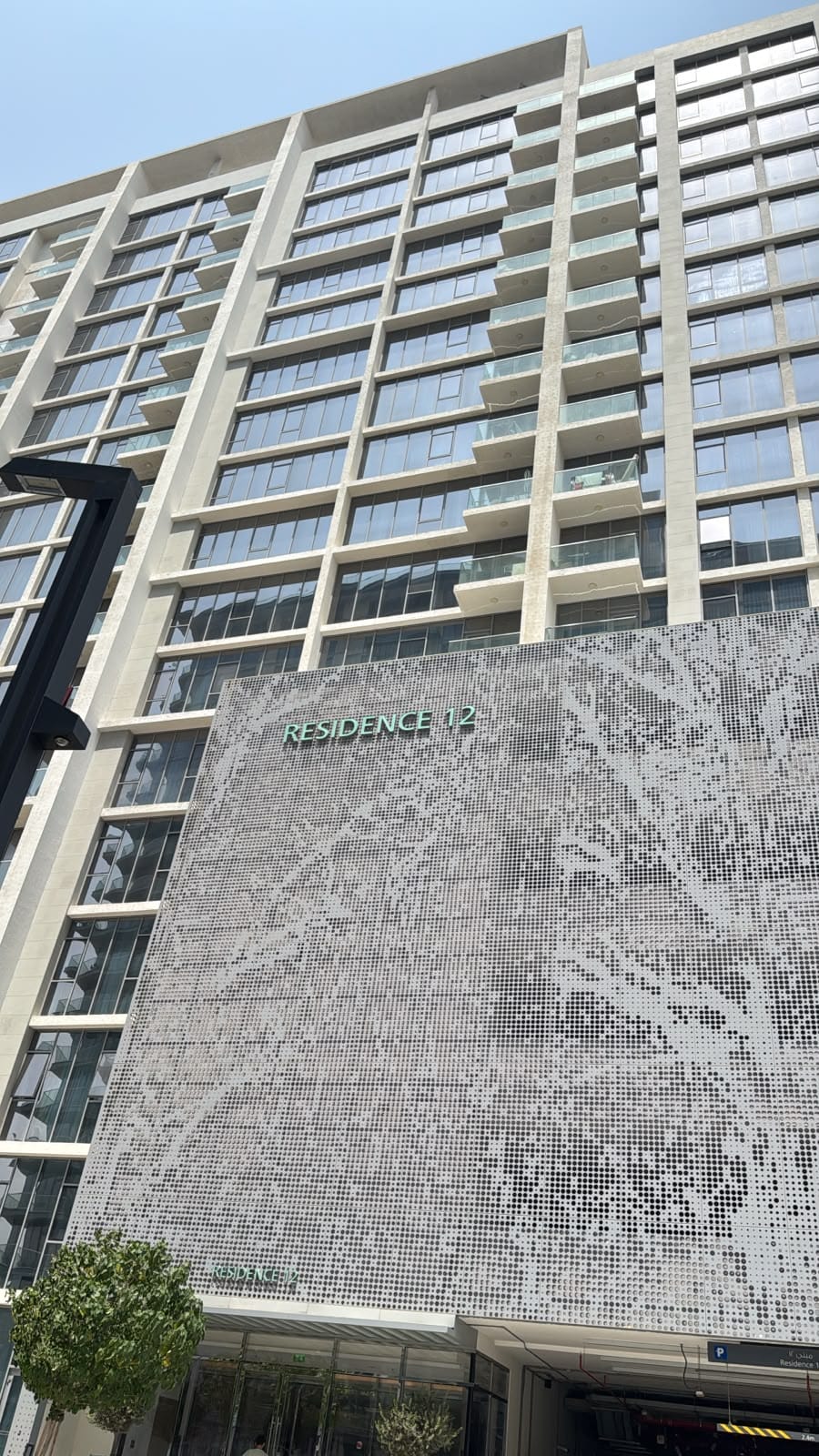
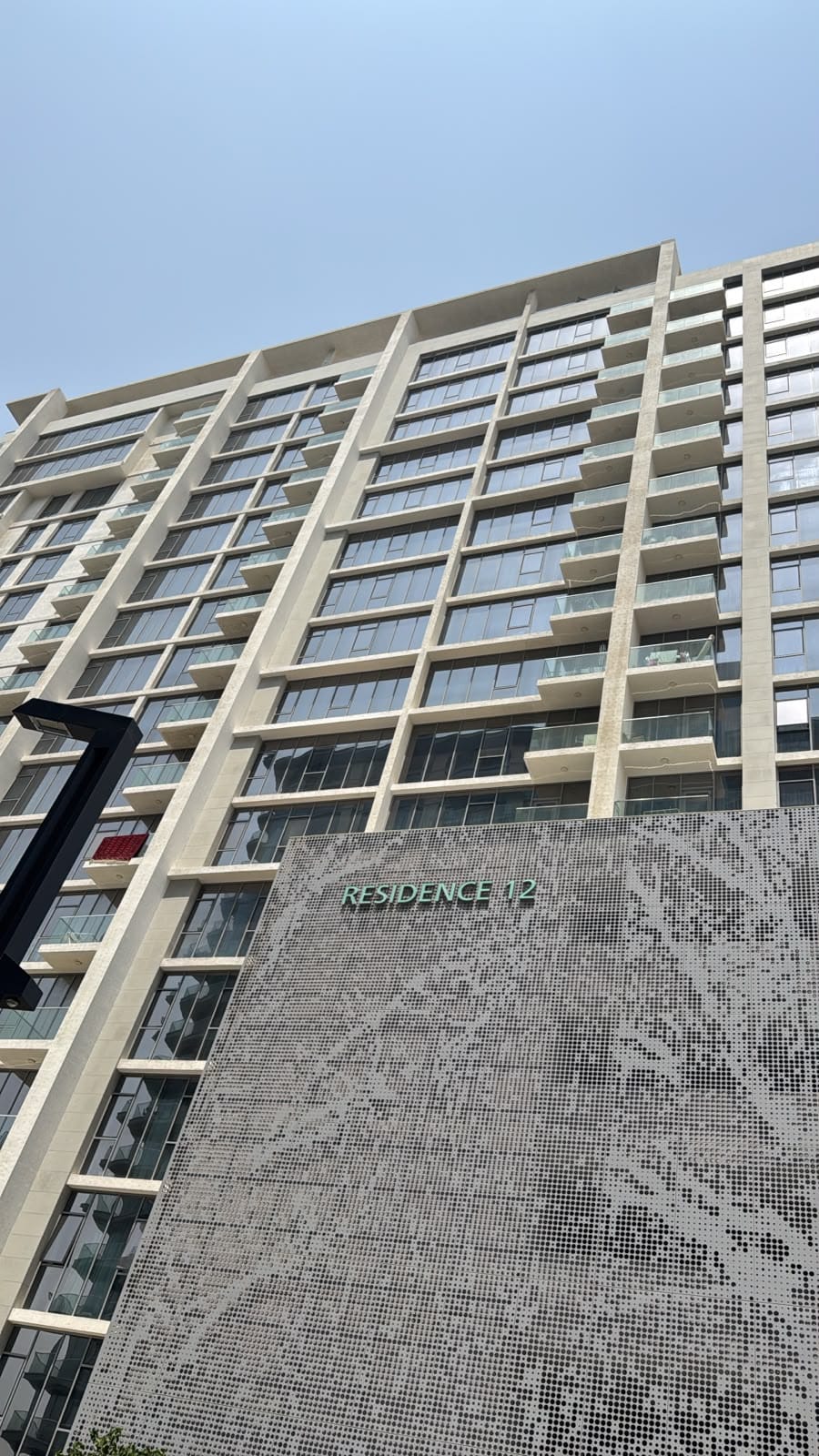
The building is the first client.
These are notes from renovating an apartment at Residence 12, set down because most owners discover these constraints after they have already agreed a start date with a contractor. A villa gives you a gate, a driveway and your own working hours. An apartment gives you a shared lobby, shared lifts, a shared facade and a management office that has a legitimate say in all three.
None of that makes the work harder to build. It makes it harder to schedule. The physical scope inside a two or three bedroom apartment is modest by comparison with a villa, but the access is rationed, the noisy work is confined to a window, and every delivery has to arrive through a service lift that other residents are also using. The projects that run late in towers rarely fail on craft. They fail because nobody treated the building as a stakeholder with its own approvals and its own calendar.
Our apartment renovation serviceWhat a managed tower changes.
Two layers, not one
The developer or Owners Association NOC sits above the building management approvals, and neither one replaces the other. Where the scope reaches beyond cosmetic work, an authority permit sits above both.
Booked, never assumed
Contractor passes, service lift slots and loading bay windows are scheduled items in their own right. They are issued to named people for named dates, and they run out.
Your demise, and no further
What you own inside the walls is yours to change. The facade, the screen, the balcony envelope, the risers and the common parts are not, whatever the layout drawing seems to allow.
Six things the tower decides for you.
Consents before mobilisation
A community or developer NOC, and in most towers a separate fit-out approval from building management, with drawings, a method statement, contractor trade licence and insurance attached. Both are paperwork stages with their own queue, and neither starts until the file is complete.
Contractor access passes
Passes are issued to named individuals against ID, usually for a fixed period, and security will turn away anyone not on the list. Every change of subcontractor mid-project means going back for more passes, which is one of the quieter reasons single-contractor delivery runs smoother in a tower.
Service lift and loading bay
Materials move through the service lift on a booked slot, not on demand. That constrains what can physically arrive in a day, and it puts a hard ceiling on the size of anything you order, because a stone slab or a made-up wardrobe carcass has to fit in the lift car and through the door of it.
Permitted working hours
Noisy work is confined to a window set by management out of consideration for the residents around you, and it is normally narrower at weekends. Quiet trades can often continue outside it, so the sequence is built to keep the loud work inside the window and the fine work outside it.
Protection of the common parts
Lift car linings, corridor floor protection and a hoarded or sheeted threshold at your own front door are usually a condition of the fit-out approval, not a courtesy. Damage to a corridor finish comes out of a deposit and is charged at the building's rate rather than yours.
Debris and waste routes
Strip-out waste leaves bagged, through the route management nominates, at the times they allow, and it usually cannot be left in a corridor overnight. Removal capacity, not demolition, is what sets the real pace of a strip-out in a tower.
What is genuinely yours to change.
Walls and layout
Non-structural partitions can usually go, structural walls and shear walls cannot, and the difference is not always obvious from the handover drawing. We identify it at survey and submit the alteration for approval before anything is opened up, because removing the wrong wall in a tower is not a snag, it is a structural issue affecting every floor above.
Services and risers
Everything inside the apartment can be rerouted. The risers, the chilled water supply and the main isolation points serve the whole stack and stay where they are. Changing a bathroom or kitchen position is really a question of how far the drainage can be moved while still holding its fall.
Wet areas
Waterproofing is the one item in an apartment where a shortcut has someone else's ceiling as the consequence. Tanking, falls and a flood test before tiling are not optional in a tower, and this is the detail we will not compress to save a week.
Balconies and facade
The balcony slab, the balustrade and any screen or louvre on the face of the building are part of the envelope and belong to the building. Glazing in a balcony, changing a balustrade or altering the external appearance is a matter for the Owners Association and usually the developer, not a design decision.
Joinery, made to fit the lift
We manufacture in our own Dubai workshop, which matters more in a tower than it does in a villa. Carcass sizes can be set to the lift car and the corridor turns from the outset, so wardrobes and kitchens arrive in pieces that actually reach the apartment and are assembled inside it.
Handover and reinstatement
Closing out in a tower means the apartment and the route to it. Protection lifted, common parts returned as found, the deposit released, and a documented, snag-free handover of the unit itself.
Plan the approvals, not just the build.
A full apartment renovation in Dubai typically runs eight to fourteen weeks on site, with a further two to three weeks of design and selection before that. In a managed tower, the consents sit ahead of both, and they are the part owners most often leave out of their own plan.
We handle that layer as part of the project rather than handing it back to you. The community or developer NOC, the fit-out approval with building management, the contractor passes, the lift and loading bay bookings and the working-hours sign-off are all ours to obtain and to chase, so the site date we give you is one the building has already agreed to.
How long a Dubai renovation takes