
Villa Renovation in Jumeirah
Jumeirah is one of the oldest villa districts in Dubai, and the houses show it: generous plots, mature planting and solid Mediterranean-style architecture that has been standing through twenty or more coastal summers. Renovation here is rarely about starting again. It is about keeping what gives the house its character and rebuilding everything behind it.
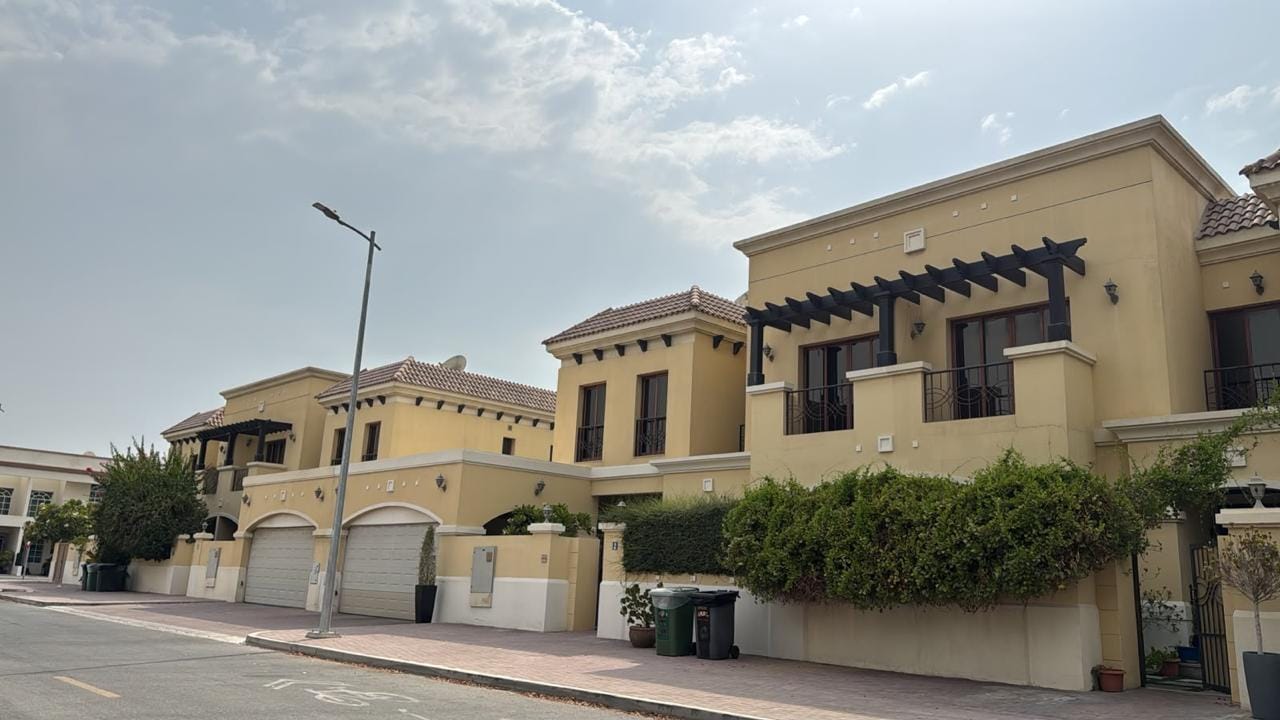
Good bones, dated systems.
Most Jumeirah villas were built well, on plots you could not buy today. What has aged is everything you cannot see: air conditioning sized for a different way of living, distribution boards running at capacity, wet-area waterproofing at the end of its life, and render and paint worn thin by salt air a few hundred metres from the water.
So the scope tends to split in two. The architecture and landscape are treated with restraint, because the arches, pergolas and terracotta are what make the street. The systems are replaced properly. That is the version of a Jumeirah renovation that still looks right in ten years.
Our villa renovation serviceVillas we have delivered in Jumeirah.
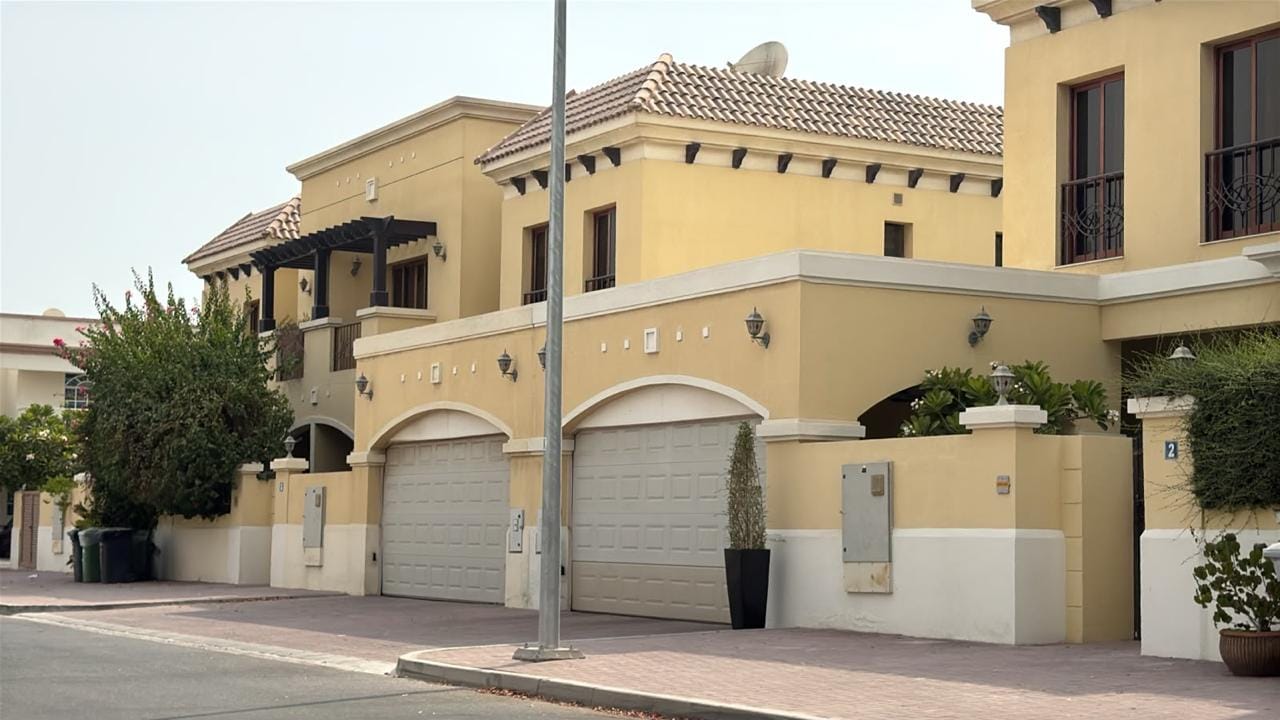
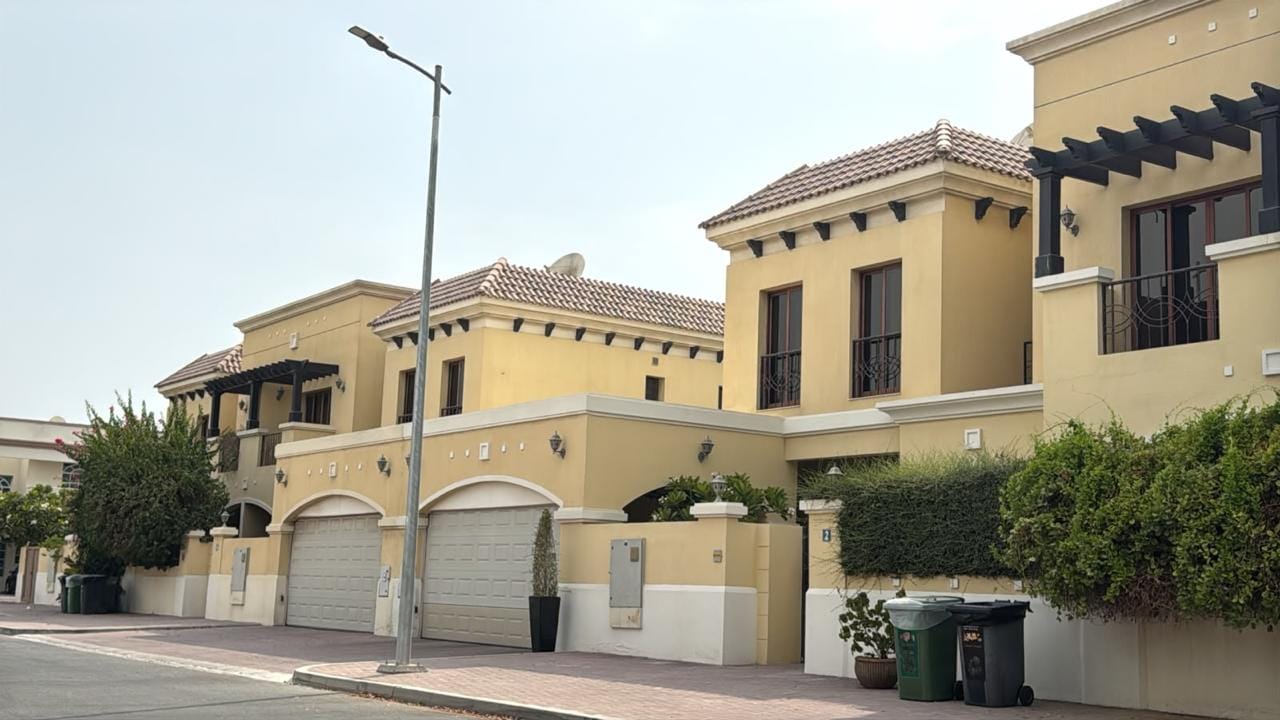
Usually a shorter route than a master community.
Jumeirah 1, 2 and 3 are largely individual plots rather than a master-developer estate. Where that is the case there is no community NOC layer at all, and the route runs to the authority directly, which is one of the few genuine advantages of renovating here. Villas inside a gated compound, and the newer waterfront communities along the coast, do sit under a managing body whose written approval comes first.
Either way, we establish who holds approval rights for your specific address before a single document is prepared. Submitting to the wrong body costs weeks you cannot recover.
Dubai Municipality
The default permit route for most of Jumeirah. Triggered by structural change, added floor area, enclosing a balcony or change of use. What the permit involves
DEWA
Needed once the work changes electrical load, the distribution board, the meter or the incoming water connection. DEWA approvals
Where one applies
Managed compounds and the coastal communities have their own NOC process. Meraas communities
What to plan for in Jumeirah.
4–9 months
Whole-house scope. Older Jumeirah stock sits toward the middle of the range; extensions, pools and structural work push it to the top.
Design & approvals
Design and material selection run in parallel with the approvals file. Building both at once is what keeps mobilisation from slipping.
4–8 weeks
A kitchen or a pair of bathrooms on their own. Stone fabrication usually drives the critical path rather than the building work.
Renovating a villa in Jumeirah.
Do I need an NOC to renovate a villa in Jumeirah?
It depends on how your plot is held. Many Jumeirah villas sit on individual plots with no master developer or Owners Association above them, so there is no community NOC to obtain and the approval route runs straight to the authority. Villas inside a gated or managed compound, and the newer waterfront communities along the coast, do have a managing body whose written approval comes first. We establish which applies to your address before anything is submitted.
How long does a Jumeirah villa renovation take?
Four to nine months for a full villa. Older Jumeirah properties often need more of the invisible work than a newer villa does, so allow toward the middle of that range for a whole-house scope and toward the upper end if you are extending, adding a pool or altering structure.
Can you extend a Jumeirah villa or add a floor?
Sometimes. It depends on the plot coverage and setbacks already used, and on what Dubai Municipality will permit at that address. We check the permitted envelope before designing anything, because an extension drawn first and checked later is the fastest way to lose a month.
Our villa is from the early 2000s. What usually needs replacing?
In villas of that vintage the recurring items are the air conditioning and distribution boards, the wet-area waterproofing, older plumbing runs, external paint and render weathered by the coastal air, and single-glazed windows. We survey the existing capacity and condition first, then design the upgrade into the scope rather than discovering it on site.
Thank you. We reply within one working day.
We read every enquiry ourselves. If it is urgent, WhatsApp is the fastest way to reach us.